

A Complete Itinerary Between History, Nature, and Hospitality in Armenia

Armenia is a land that fascinates. Located at the crossroads of Europe and Asia, it blends grand volcanic landscapes, medieval monasteries in breathtaking settings, and a culture shaped by millennia of history. A small country by size, it is perfect for a short getaway, allowing travelers to combine cultural visits, culinary discoveries, and immersion in a still-preserved natural environment.
A four-day stay offers a great overview of this Caucasus gem, from vibrant Yerevan to the iconic sites surrounding it.
Day 1 – Yerevan: Between Modernity and Ancestral Heritage
Yerevan immediately charms with its warm atmosphere. A human-scale city, it combines Soviet-era architecture, modern buildings, and lively streets.
The Cafesjian Cascade is a perfect starting point: this enormous staircase adorned with contemporary sculptures leads to a viewpoint offering impressive panoramas of the city. On clear days, Mount Ararat, both a biblical and national symbol, dominates the horizon.

Descending to the city center, Republic Square stands as the beating heart of the capital. Its pink tufa buildings are especially beautiful at sunset, and the evening fountain shows create a festive and convivial atmosphere.

For history enthusiasts, the Matenadaran houses an unparalleled collection of ancient manuscripts, including religious and scientific texts. The Vernissage market offers a glimpse into Armenian craftsmanship, from traditional carpets and jewelry to paintings and obsidian artifacts.
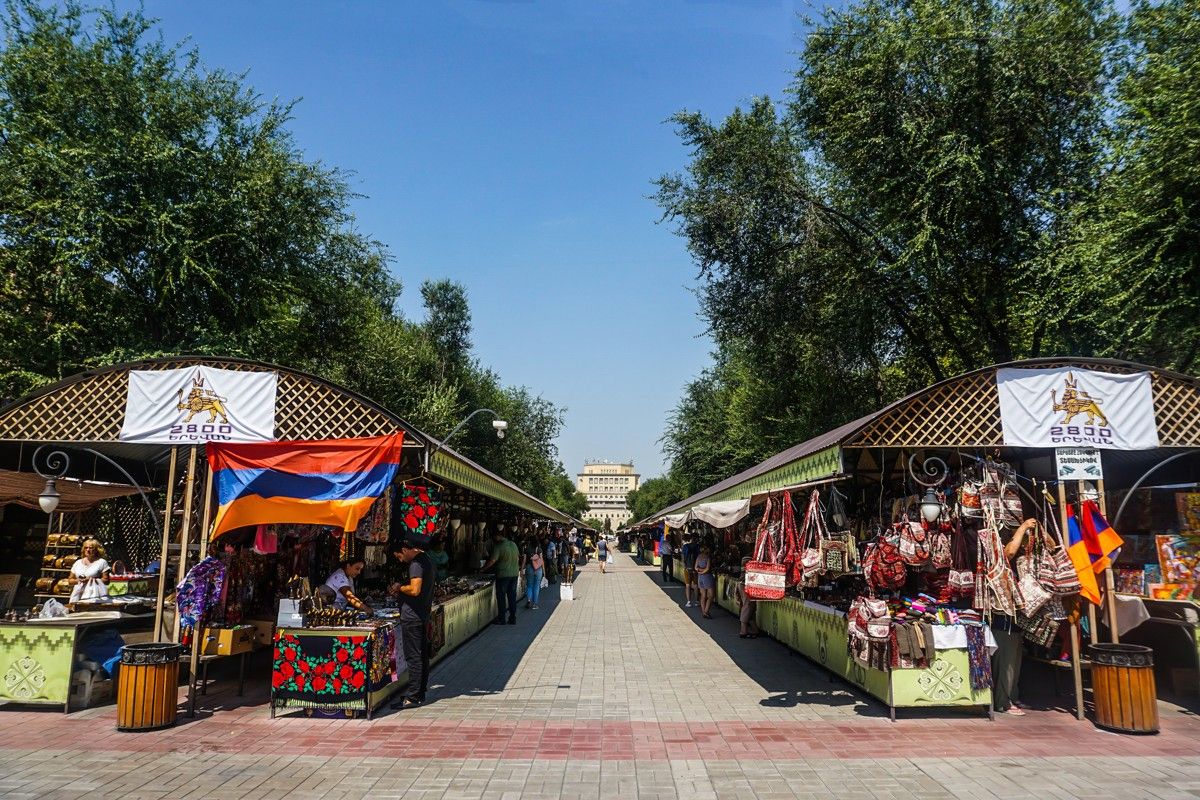
The day ends with a traditional dinner. Khorovats, hearty grilled meats, are typically served with fresh herbs and vegetables, accompanied by a glass of local wine or the famous Ararat brandy.
Day 2 – Khor Virap and Noravank: Spectacular Landscapes and Ancient Vineyards
The second day takes visitors south of the country. The first stop is Khor Virap Monastery, located on a wide plain. According to tradition, Saint Gregory the Illuminator was imprisoned here before converting the king to Christianity, making Armenia the first Christian nation in the world in the 4th century. Beyond its spiritual significance, the site offers one of the most iconic views of Mount Ararat, whose snow-capped peak dominates the Turkish border.

Next, the route leads to the Areni region, famous for its vineyards. Archaeological excavations have revealed a cave containing a 6,000-year-old winery, considered the oldest in the world. Today, Armenian wine still captivates with its rich aromas, and many local wineries welcome visitors for tastings.
Further along, the landscape becomes more mountainous, leading to Noravank Monastery. Nestled in a canyon with striking red cliffs, this 13th-century religious complex appears suspended between earth and sky. At sunset, the vibrant red rock contrasts beautifully with the golden stone of the monastery, creating a stunning spectacle.

Day 3 – Garni and Geghard: UNESCO World Heritage
To the east of Yerevan, the third day focuses on two major sites. The Garni Temple, with its Greco-Roman influence, is a rare relic in the region. Built in the 1st century, it dates back to a time when Armenia still retained pagan influences. Its elegant colonnade overlooks a spectacular canyon.

Nearby, a walk through the Garni Gorge reveals an extraordinary geological formation: massive basalt columns created by cooling lava. Known as the "Symphony of Stones," they provide a dramatic natural backdrop.

In the afternoon, Geghard Monastery exudes a mysterious atmosphere. Founded in the 4th century, it is partly carved into the mountain. The troglodyte churches resonate with liturgical chants, offering breathtaking acoustics. Listed as a UNESCO World Heritage site, it illustrates the fusion of nature and sacred architecture.

Day 4 – Lake Sevan and Dilijan: Nature in Majesty
The final day highlights Armenia’s natural beauty. Lake Sevan, one of the largest high-altitude freshwater lakes in the world, lies over 1,900 meters above sea level. On its peninsula stands Sevanavank Monastery, small churches overlooking turquoise waters and providing exceptional panoramic views.

Around the lake, several restaurants serve freshly caught fish, often grilled with local herbs—a perfect stop before heading north.
About an hour away, Dilijan offers a striking contrast with dense greenery and a peaceful atmosphere. Nicknamed the “Little Swiss of Armenia,” this town is surrounded by forests and rolling hills. Its restored streets evoke the charm of traditional villages.

Haghartsin and Goshavank Monasteries, nestled in the forest, complete the visit. Here, the forest’s silence and the serene surroundings invite quiet reflection—a perfect way to conclude a journey through Armenia.

Armenian Cuisine: Generosity and Tradition
In Armenia, every meal is more than just nourishment; it is a celebration of sharing and hospitality. Tables are abundant, with dishes served in generous portions to honor guests. Armenian cuisine reflects the warmth of a people who enjoy sharing bread, wine, and tradition.

Iconic and Comforting Dishes
- Tolma: grape or cabbage leaves stuffed with a flavorful mixture of meat, rice, and herbs. Every region and family has its variation.
- Harissa: a long-cooked dish of cracked wheat and chicken or lamb, symbolizing comfort and solidarity.
- Khorovats: marinated grilled meats, cooked over an open fire, often served with vegetables. They are a staple at family gatherings and picnics.
Sweet Treats
- Armenian baklava: layered pastry with nuts and subtle sweetness, perfect to conclude a meal.
- Dried fruits and preserves: apricots, pomegranates, and cherries are transformed into jams and snacks, often enjoyed with tea.
Drinks
- Armenian coffee: prepared in a small copper cezve, strong and aromatic, it symbolizes hospitality.
- Armenian wine: cultivated for over 6,000 years, with native varieties like Areni Noir producing rich, distinctive wines.
- Ararat brandy: iconic and internationally renowned, comparable to the finest cognacs.
A Shared Experience
The true charm of Armenian dining lies in the act of sharing. Dishes are placed in the center of the table for everyone to sample. Toasts with wine or arak punctuate the meals, accompanied by laughter and lively conversation. Eating in Armenia is a celebration of connection and community.
Practical Tips for a Successful Trip
- Currency: Armenian dram (AMD).
- Languages: Armenian is official; Russian and English are widely spoken.
- Budget: Affordable, with full meals around €10–15.
- Best time to visit: May–June and September–October for mild weather and colorful landscapes.
- Transport: From Yerevan, excursions are available by taxi, minibus, or rental car.
- What to pack: Comfortable shoes for monastery visits and a scarf to cover the head in certain religious sites.
A Glimpse into Armenia’s Soul
In just four days, Armenia reveals much of its identity: breathtaking landscapes, millennia of history, and a welcoming people. This destination does more than show its beauty; it touches travelers deeply with authenticity and warmth.
Even a short visit is enough to inspire a return, this time to explore further into the Caucasus mountains, remote villages, and living traditions of a country still largely untouched by mass tourism.